




Whether it's a natural birth or a C-section, bringing a new life into the world is a period where the body expends a lot of energy. And even after childbirth, the body gradually recovers, but the changes don't end there.
Irregular sleep, caring for the baby throughout the day, and the new role of being a mother all contribute to quietly accumulating stress. And this stress is one of the important factors affecting scalp health and hair loss.
When hair starts to fall out more than usual, the key is not to rush to fix it, but to care for it with an understanding of the body's recovery rhythm, starting with gentle basics suitable for the postpartum period.

Nourishing from Within: Meeting Your Body's Nutritional Needs
During the postpartum period, a mother's body is still allocating nutrients for many functions, both for its own recovery and for nurturing the baby. Therefore, choosing foods rich in iron, protein, and Omega-3s helps support the body and scalp's natural recovery, and promotes long-term hair regrowth.
Gentle Hair Care During a Delicate Time
After childbirth, hair is often weaker than usual, especially when wet. Washing and styling should be done gently. Let hair air dry before styling, comb softly, and avoid hairstyles that pull too much on the hair roots, to avoid adding stress to the scalp during its recovery phase.
Deep Scalp Rejuvenation That Doesn't Disrupt Your Body
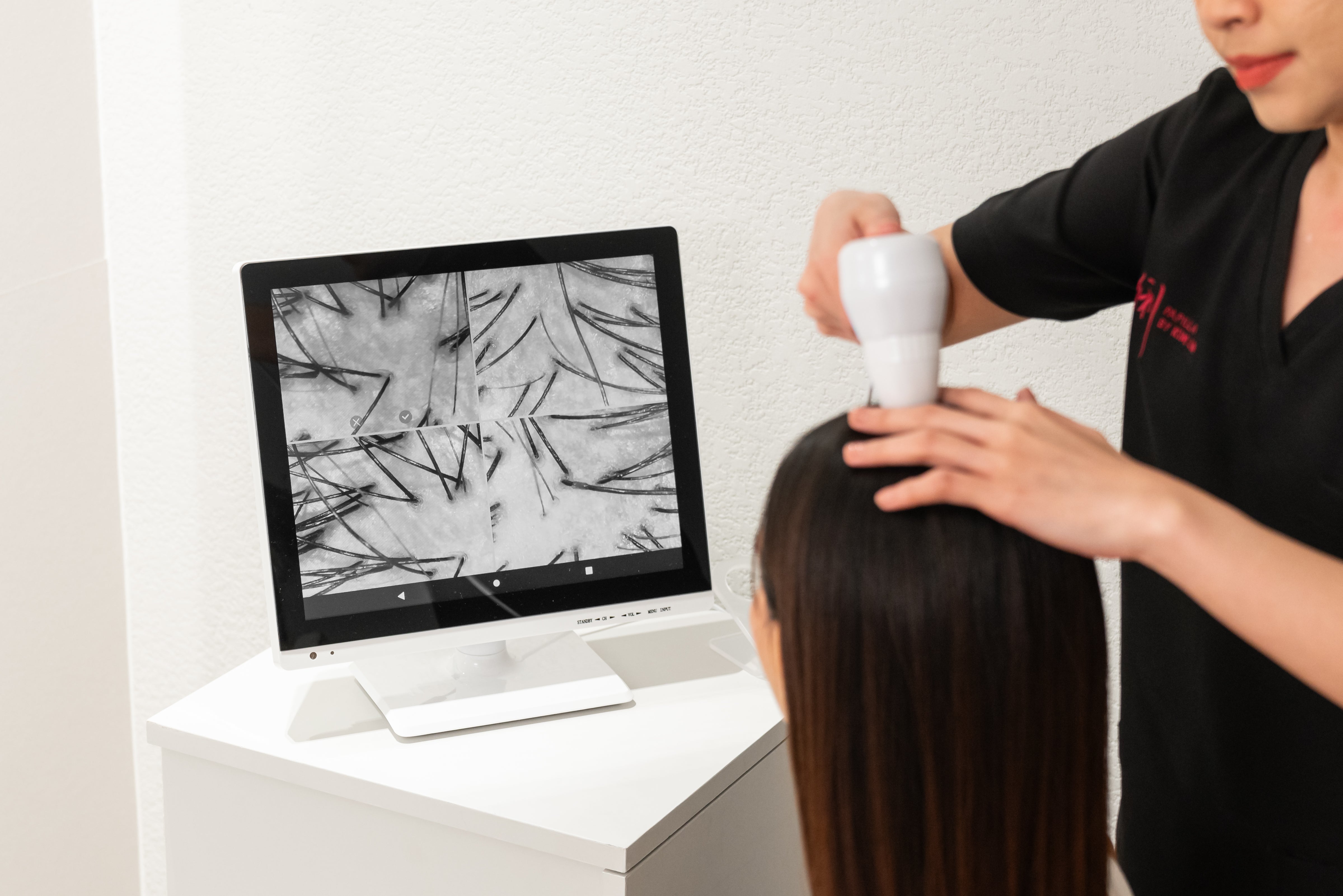
For mothers who need additional care, regular scalp treatments can help restore balance and create a suitable environment for hair regrowth.
The POSTPARTUM PACKAGE by PAPILLA by Kim Lim is specifically designed for postpartum mothers, based on a non-invasive, pain-free, no-downtime recovery concept. It starts with gentle scalp cleansing, a relaxing massage to stimulate circulation, before delivering specialized nourishing serums deep into the scalp using Scalp Electroporation technology, which enhances absorption efficiency without damaging the skin.
Postpartum care should not be rushed but should allow the body sufficient time to recover.
And for PAPILLA, caring for a mother's scalp is not just about dealing with hair loss, but about understanding and supporting natural and sustainable recovery.


