




Hair loss is a problem that affects the confidence and personality of many people, whether men or women. Hair loss can be caused by many reasons. Understanding the causes of hair loss is important in finding the right solution. To help you understand and deal with problems correctly

1. Genetics (Androgenetic Alopecia)
Genetics is the most common cause of hair loss, especially in men (male pattern baldness) and women (female pattern thinning). If you have a family history of hair loss, there's a good chance you'll inherit it. Men typically start with a receding hairline or thinning in the center of their head, while women tend to have thinning all over their head, especially around the crown.

2. Hormonal changes
Hormonal imbalances in the body can affect hair growth, such as:
- Pregnancy and childbirth: After childbirth, hormone levels drop rapidly, causing increased hair loss, but it usually returns to normal within 6-12 months.
- Menopause: Decreasing estrogen levels during menopause can cause hair to thin.
- Thyroid disease: Both hyperthyroidism and hypothyroidism can cause hair loss.

3. Side effects of certain medications
Certain medications can cause hair loss as a side effect, such as cancer medications (chemotherapy), antidepressants, heart medications, and blood pressure medications. If you suspect that a medication you are taking is causing your hair loss, consult your doctor.

4. Medical conditions
Certain diseases can be the cause of hair loss, such as:
- Alopecia Areata: This is an autoimmune disease in which the immune system attacks the hair follicles, causing patchy hair loss.
- Scalp Fungus: A fungal infection of the scalp can cause patchy hair loss and itching or flaking.
- Lupus: This disease can also cause hair loss.

5. Stress
Both physical and emotional stress can cause Telogen Effluvium, a condition in which hair enters the resting phase earlier than normal, leading to increased hair loss. This condition usually improves as stress levels decrease.

6. Malnutrition
Deficiencies in certain nutrients, such as protein, iron, zinc, B vitamins, and vitamin D, can affect the health of your hair and lead to hair loss. Therefore, it is important to eat a nutritious and well-balanced diet.

7. Hair styling
Overly tight hair styling, such as tight ponytails, tight braids, or frequent use of chemicals on your hair, can also lead to hair loss, particularly in a condition called traction alopecia, which is caused by the constant pulling of the hair.
What to do when hair falls out:
- Consult a professional: If you are concerned about hair loss, consult a dermatologist or hair specialist to determine the underlying cause and receive appropriate treatment.
- Take care of your overall health: Eat a healthy diet, exercise regularly, and manage stress.
- Avoid behaviors that damage your hair: such as using too much heat on your hair, using harsh chemicals, and styling your hair too tightly.
Understanding the causes of hair loss will help you deal with the problem effectively and efficiently. If you have any doubts or concerns, consult your doctor for appropriate advice and treatment.
Basic self-care methods
- Eat a healthy diet: Eating a balanced and nutritious diet is important for healthy hair. Focus on foods that contain protein, iron, zinc, biotin, B vitamins, vitamin C, vitamin D, and vitamin E, which all help nourish and strengthen hair. Examples of foods to eat include meat, fish, eggs, milk, nuts, green leafy vegetables, fruits, grains, and beans.
- Avoiding Harmful Hair Habits: Avoid harsh hair treatments such as tying your hair too tightly, braiding it, using heat frequently (such as blow-drying or straightening), using excessive chemicals on your hair (such as dyeing or perming), and brushing your hair while it's wet.
- Stress Management: Stress is one factor that can cause hair loss. Proper stress management, such as exercise, meditation, and adequate rest, can help reduce hair loss.
- Scalp Massage: Gently massaging your scalp stimulates blood circulation in the scalp, allowing the hair roots to receive more nutrients and promoting new hair growth.
- Get enough rest: Getting enough sleep allows your body to rejuvenate and repair itself, including your hair, keeping it strong and reducing hair loss.
- Opt for gentle, chemical-free hair and scalp care products like Papilla Haircare Hair Rewind, which contains Phyto-Revive Complex, which helps inhibit hair loss-causing hormones, stimulates hair growth, and increases the number and size of hair follicles.
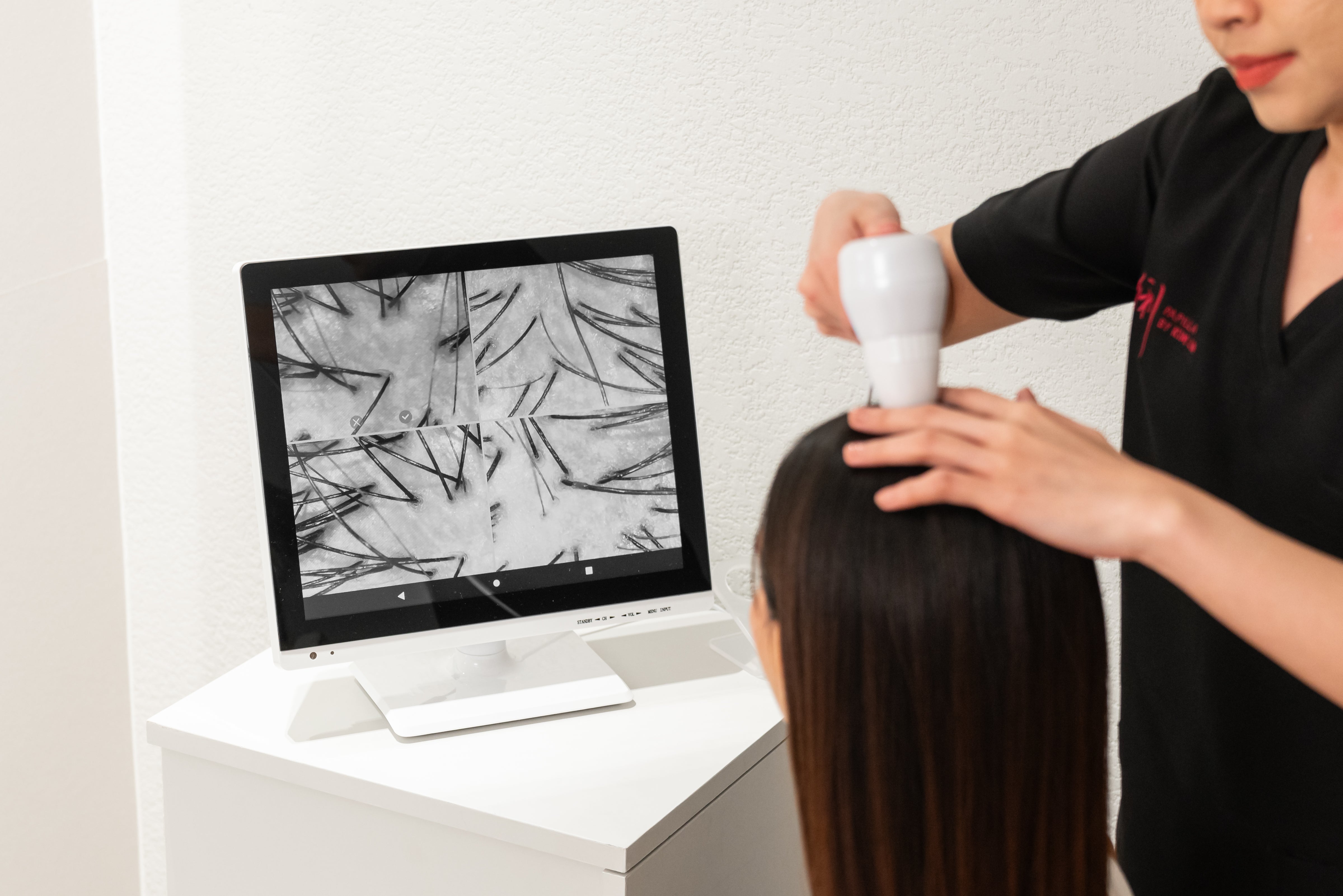
- Get regular scalp treatments to help maintain scalp balance while promoting healthy hair growth, such as the SEP Activator treatment at PAPILLA B YKIM LIM HAIR & SCALP CENTRE. With Scalp Electroporation technology, it penetrates the skin 17 times deeper than conventional hair transplants, without injections and without damaging the skin. It also stimulates circulation and accelerates new hair growth within 3 months.

Now open! PAPILLA by KIM LIM Hair & Scalp Centre, Singapore's No. 1* comprehensive scalp and hair care center, offers a scalp care experience similar to facial skin, restoring natural thick hair without surgery or recovery time. Come and experience it today!
Ready to enhance your scalp care? Book or ask for more information at
Line: @papillabykimlimth
Business hours: Monday-Sunday, 11:00 AM - 8:00 PM.
Location: Erawan Bangkok, 4th floor (BTS Chidlom)


